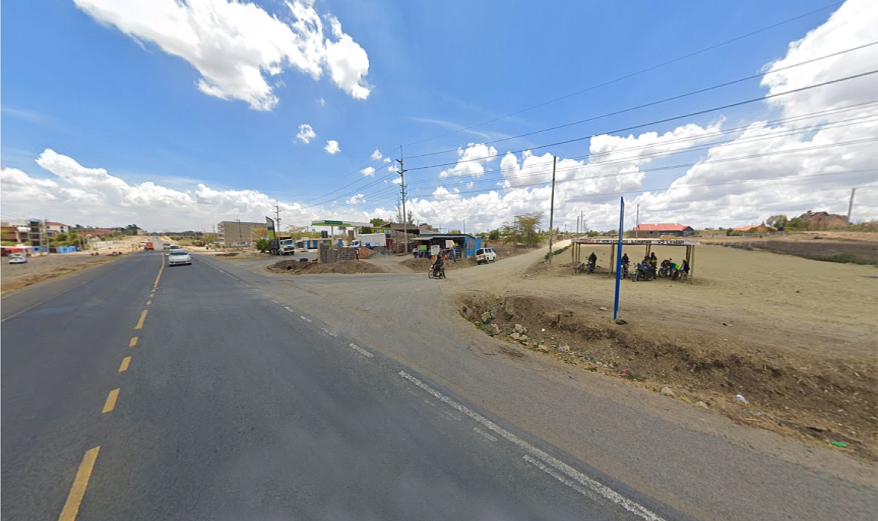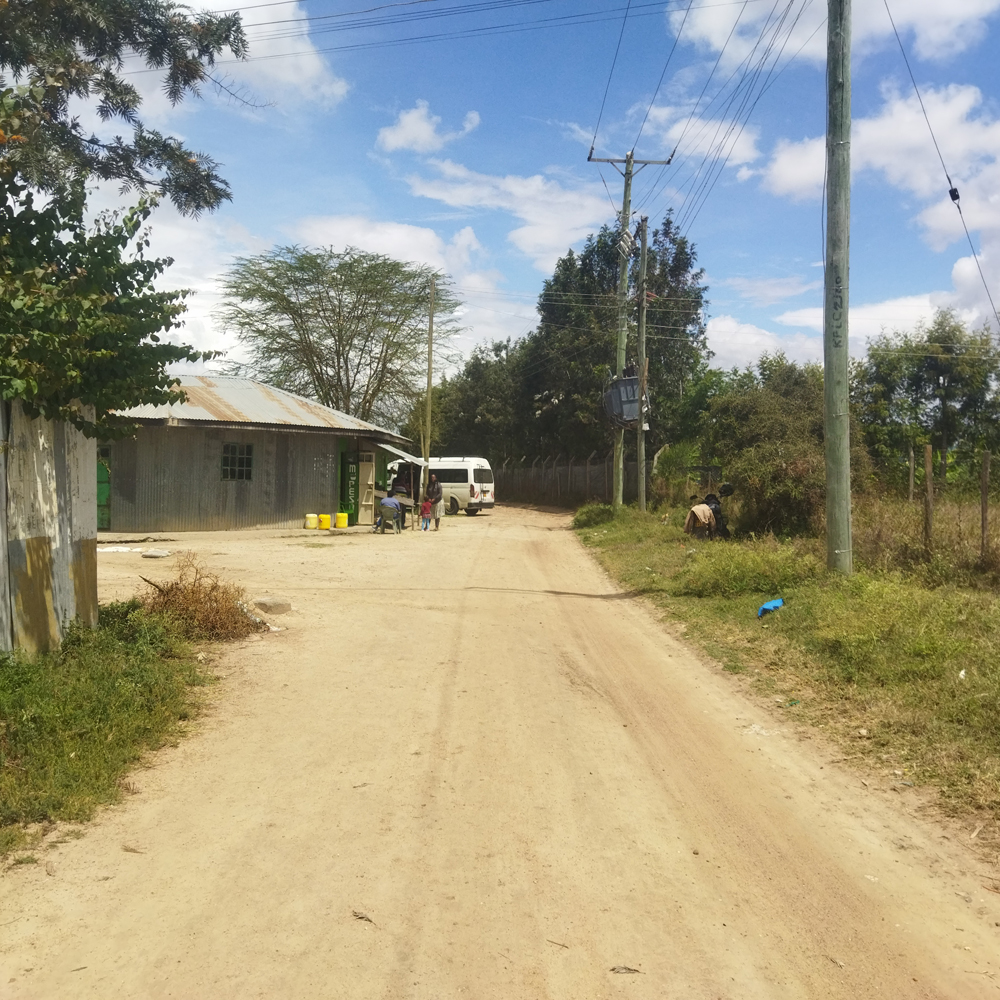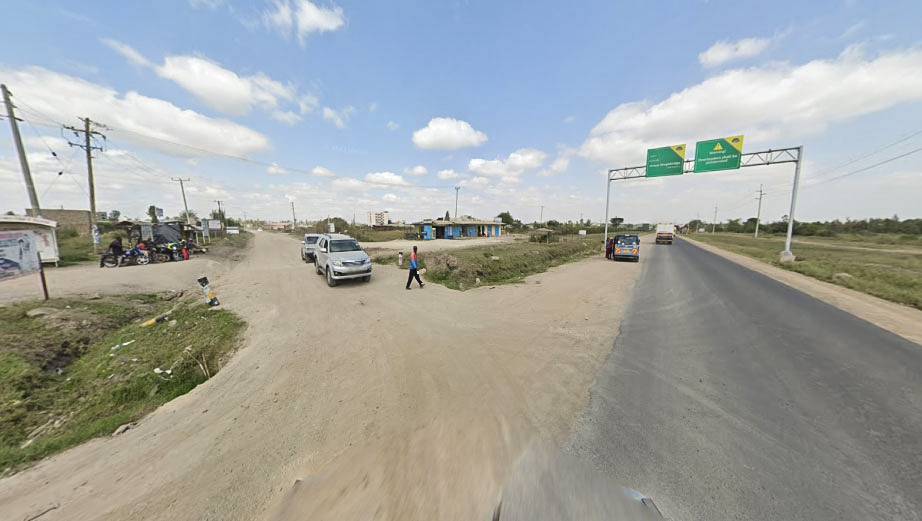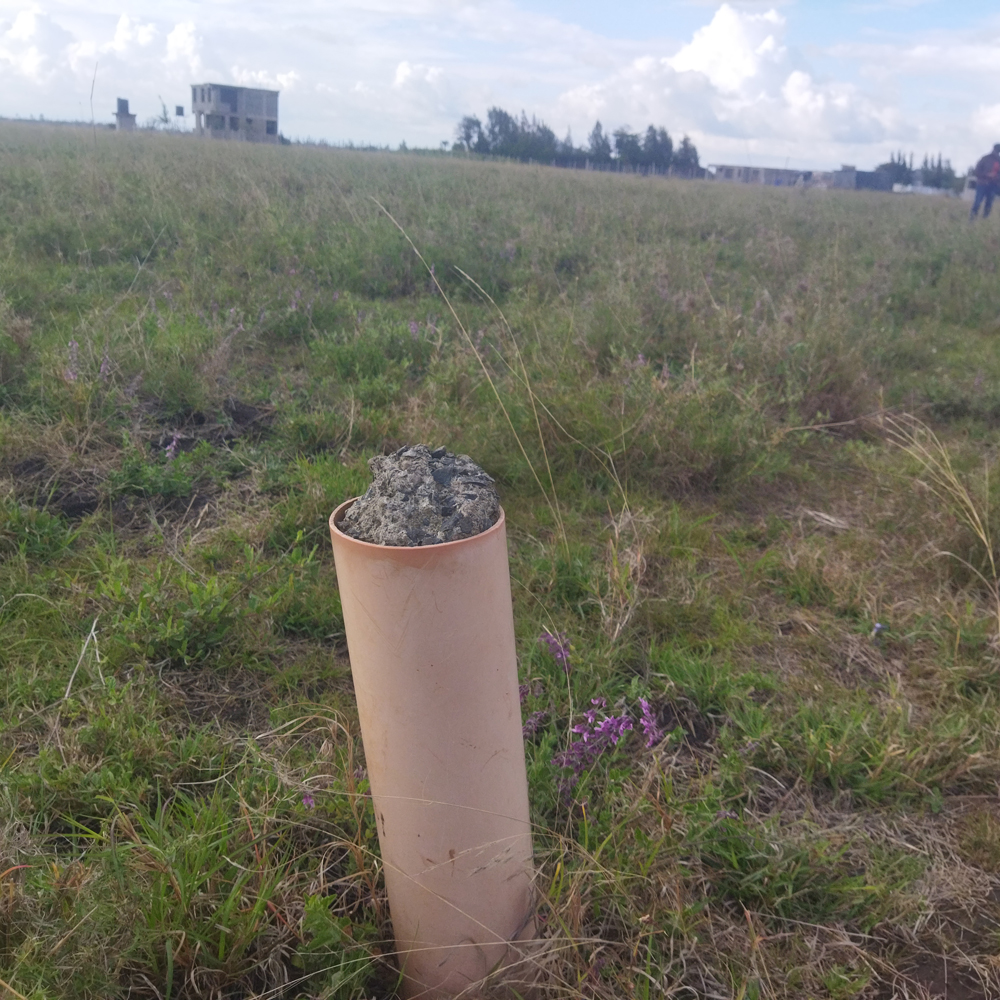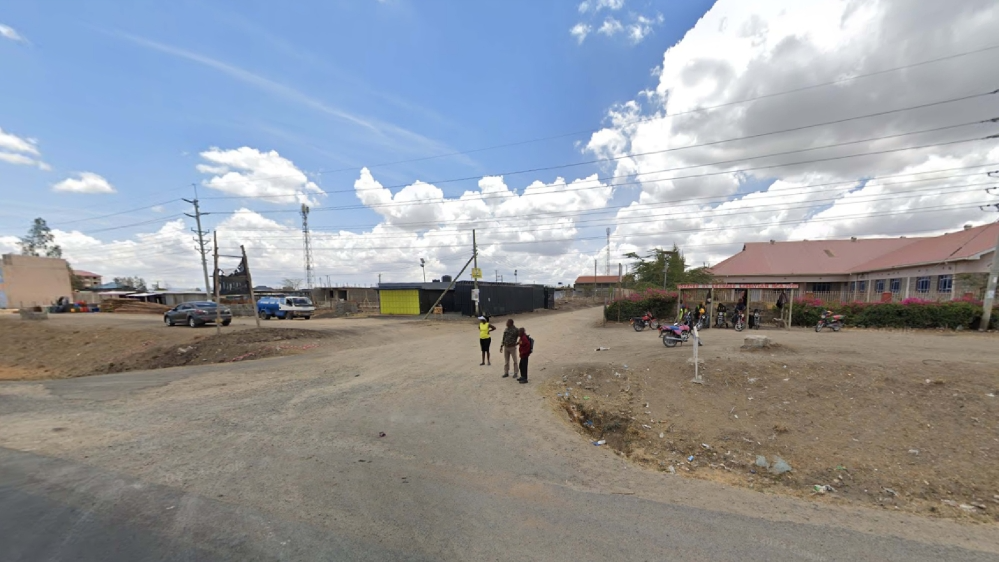
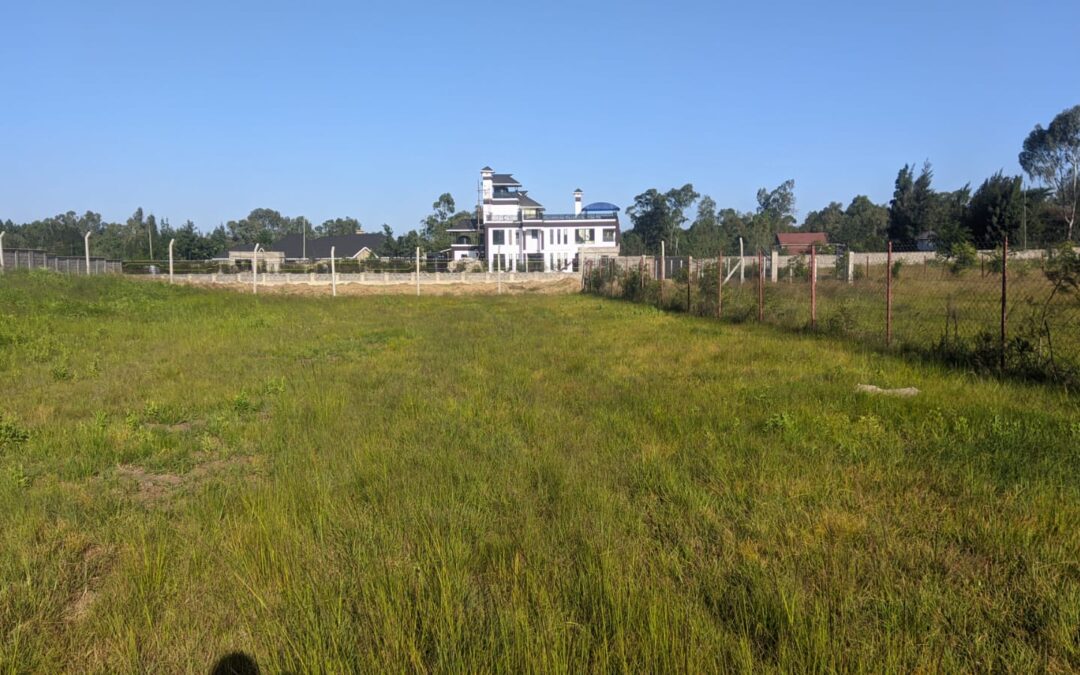
Purchasing land in Kenya, especially in fast-growing areas such as Kitengela, Syokimau Katani, Ruiru Kamakis, Juja Farm, Joska, Malaa, and Kangundo Road, is a major investment. Therefore, understanding the legal process is critical to securing a clean title deed and avoiding disputes.
This guide explains the step-by-step legal process of buying land in Kenya, particularly for buyers searching for land for sale in Nairobi and surrounding satellite towns.
1. Conduct a Land Search at the Lands Registry
First and foremost, always perform an official land search at the Ministry of Lands.
This confirms:
- The registered owner
- Any existing charges, caveats, or disputes
- Whether the title deed is genuine
👉 Searches typically take 2–3 working days and are a non-negotiable step before payment.
Ministry of Lands via eCitizen
2. Prepare an Offer Letter and Negotiate Terms
Once ownership is verified, your advocate prepares a formal offer letter outlining:
- Property description
- Purchase price
- Payment terms
At this stage, negotiation is common, especially in high-demand areas like Ruiru Kamakis and Syokimau.
3. Draft and Sign the Sale Agreement
Next, the seller’s advocate drafts the sale agreement, which your lawyer reviews.
After signing:
- A deposit (usually 10%) is paid
- Both parties are legally bound
This step secures the transaction and protects both buyer and seller.
4. Clear Outstanding Land Rates
Before transfer, all county land rates must be cleared.
To confirm this:
- Request a land rates clearance certificate
- Verify directly with the county government.
Unpaid rates can delay or block registration entirely.
5. Obtain Consent to Transfer
For leasehold land, the seller’s lawyer applies for consent to transfer from the Commissioner of Lands.
This ensures:
- Compliance with zoning laws
- Legal subdivision and transfer approval
Without consent, the transfer cannot proceed.
6. Conduct an Official Valuation
A government valuer assesses the land’s market value.
This valuation:
- Determines the stamp duty payable
- Protects buyers from overvaluation
It is a mandatory legal requirement.
7. Pay Stamp Duty
Stamp duty is a compulsory tax paid by the buyer:
- 2% for rural land
- 4% for urban land
However, some developers simplify the process.
For example, Fanaka Real Estate covers stamp duty costs for buyers—meaning no hidden charges beyond the agreed purchase price.
This makes the ownership process faster and more transparent.
8. Register the Transfer and Receive Your Title Deed
Finally, your advocate submits:
- Signed transfer forms
- Consent to transfer
- Stamp duty receipt
Once registered at the Lands Registry, the title deed is issued in your name, completing the transaction.
Final Tips for Buying Land in Kenya Safely
- Always use a qualified property lawyer
- Never pay in full before due diligence
- Work with trusted property professionals
For verified land for sale in Nairobi and its outskirts, visit
🔗 https://gimcoltd.com for expert guidance and secure listings.